French Scholar Of Microbiology
Louis Pasteur Biography / Laminous / Name / Father / Name / Horoscope / Testa/ Note / Heading / House
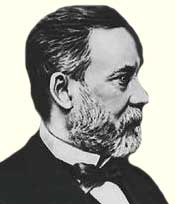
Louis Pasteur - French scientist, master of modern microbiology and immunologychemical, foreign correspondent member (1884) and honorary member (1893) of Petersburg AN. The zodiac sign is Koserog.
Paster's optical asymmetry of molecules was the foundation of stereochemistry. Opened the nature of the ferment. I've tested the theory of microorganism self-destruction. Studyed the ethology of many infectious diseases. A preventive custodian vaccination (1881), rabies (1885). Introduce aseptic and antiseptic methods.
A world-famous process of purification of milk, which has since been wearing its name, has often referred to the Space Asymmetric Force, which has created life. He believed that the concept of PRICHIN " would be reserved for the only divine impulse that formed the universe " .
In 1888, the Research Institute for Microbiology was established and headed.
The most inspired words about it belong to a great Russian scholar, Clement Arcadiervich Timirazev. He wrote about Paster's death, "and here's a picture of us that's still invisible. A simple scientist goes to the grave, and people - not only close to him, not only to the people, but to all nations and peoples, to all pushes, to all stages of development, to the Government and to individuals - compete in an effort to give the reassured worker the last honour, to express feelings of unlimited, inappropriate appreciation. "
Louis Paster was born December 27, 1822. He was the son of a retired French soldier, the owner of a small leather factory in Dol, France.
Louis grew up in a big, friendly family. Father Paster, who has not received any education, almost illiterate man, dreamed of seeing his son as an educated man and trying to develop his desire for knowledge. The son was pleased with his success in teaching and his extraordinary grace. Louis read a lot, liked to paint, but I guess there's nothing special about his peers. And only exceptional precision, observability and ability to work with great fascination allowed for a future scientist.


